Colorado’s roads and climate put a vehicle’s paint through more stress than many drivers realize until the damage is already visible. Understanding paint protection colorado springs drivers rely on starts with knowing exactly what kinds of damage are most common in this environment. From highway debris to harsh winter conditions, the state’s driving conditions create a unique combination of threats to a vehicle’s finish. Recognizing these risks early makes it far easier to choose the right protection before damage sets in. This guide breaks down the most frequent causes of paint damage and how to prevent them.
Rock Chips From Highways
Why are rock chips so common on Colorado highways?
Colorado’s mountain highways often carry loose gravel, road debris, and rock fragments kicked up by fast moving traffic, especially in construction zones or areas near mountain passes. These small rock chips can quickly damage a vehicle’s front end, hood, and side panels, chipping away paint and exposing the metal underneath. Over time, repeated exposure to this kind of debris leads to a noticeably worn, pitted appearance on high mileage highway commuters. Left untreated, chipped areas can also lead to rust formation, especially during Colorado’s wetter seasons. Protecting these vulnerable areas early helps prevent a common, cumulative source of paint damage.
Swirl Marks From Improper Washing
What causes swirl marks on a car’s paint?
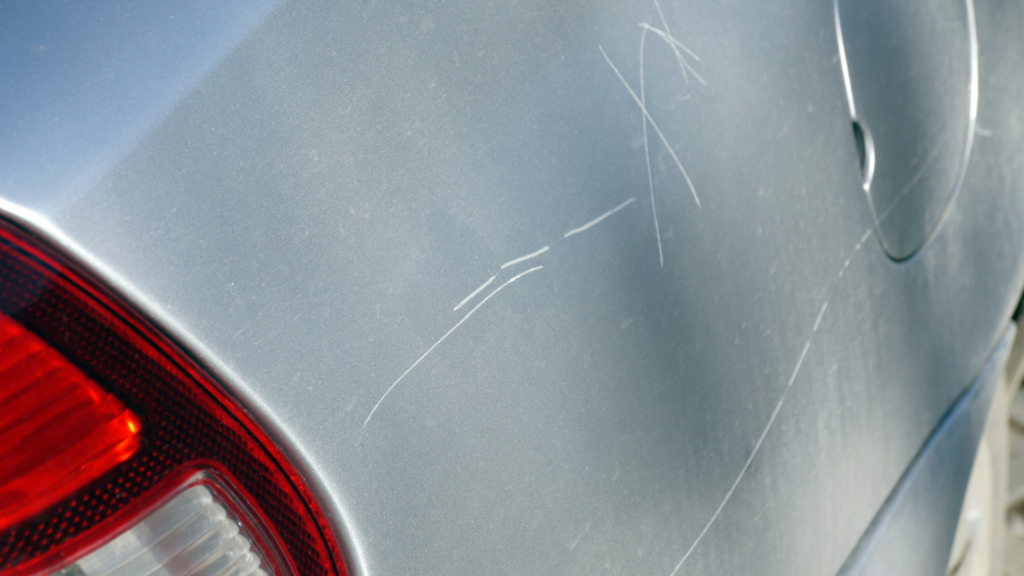
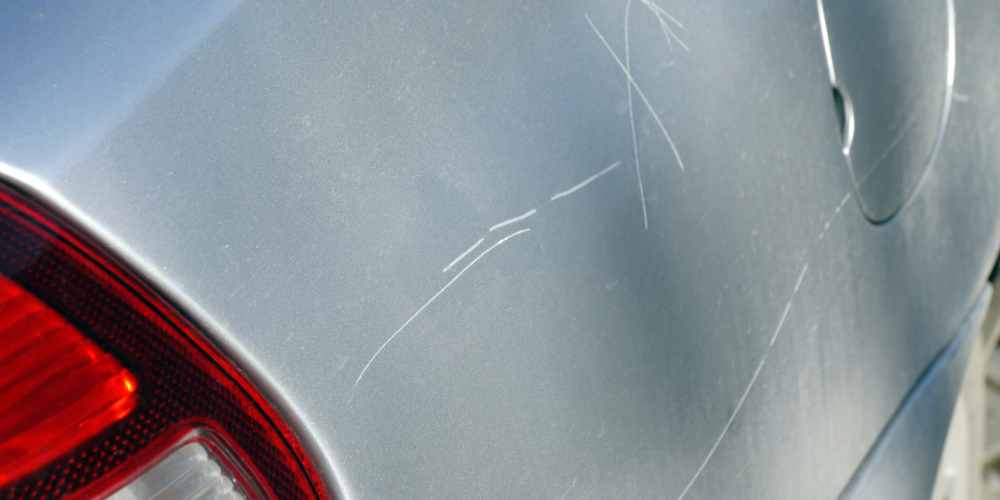
Swirl marks typically result from improper washing techniques, like using dirty towels, low quality wash mitts, or automated car washes with abrasive brushes. These fine scratches become especially visible under direct sunlight, giving an otherwise clean vehicle a dull, hazy appearance. Repeated improper washing compounds this damage over time, gradually degrading the paint’s clarity and shine. Using proper washing techniques and high quality materials significantly reduces the risk of introducing these marks in the first place. Swirl marks are one of the most preventable, yet most common, forms of paint damage seen on daily driven vehicles.
Water Spotting and Mineral Buildup
How does water spotting damage a car’s paint over time?
Colorado’s hard water, combined with intense sun exposure, can leave mineral deposits on a vehicle’s surface that etch into the clear coat if left untreated. These water spots often appear after washing a car in direct sunlight or allowing water to air dry rather than being wiped away promptly. Over time, repeated mineral buildup can create a permanently etched, cloudy appearance that’s difficult to fully remove. Drying a vehicle thoroughly after washing helps prevent this kind of gradual, cumulative damage. Addressing water spotting early prevents a common issue from becoming a much harder problem to correct later.
Winter Debris and Sand Abrasion
How does winter road treatment affect a car’s paint?
Colorado’s winter road treatments often include sand and gravel applied for traction, which can abrade a vehicle’s paint as it’s kicked up by tires and wind. This abrasive debris tends to accumulate on lower body panels, wheel wells, and the front end, areas already vulnerable to rock chips. Combined with road salt in some regions, this creates a particularly harsh environment for paint during winter months. Regular washing during winter helps remove abrasive debris before it has a chance to cause lasting damage. Understanding this seasonal risk helps drivers prioritize protection specifically ahead of winter conditions.
Preventing Damage Before It Happens
What’s the best way to prevent this kind of paint damage?
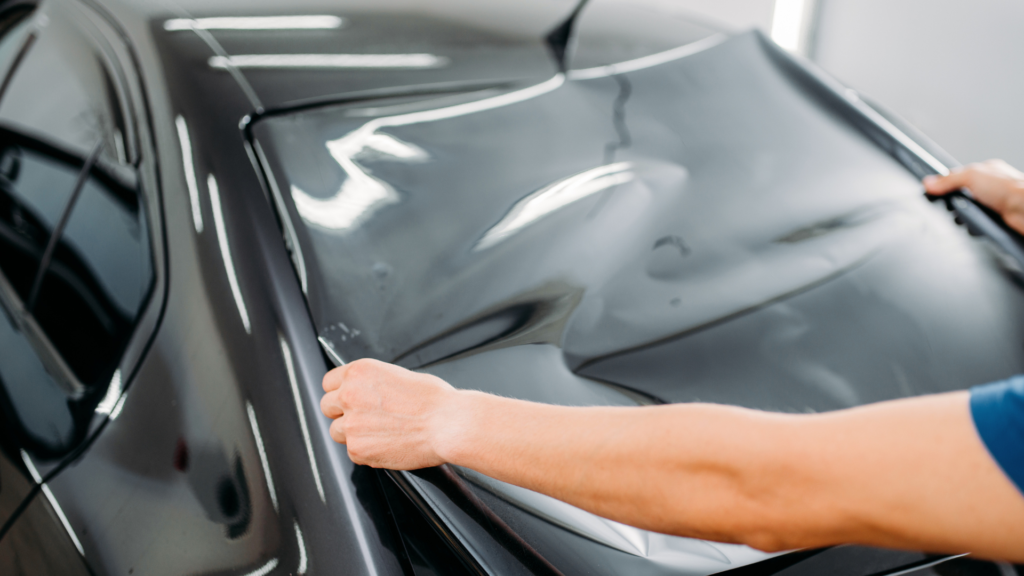
Proactive protection, rather than reactive repair, offers the most effective way to preserve a vehicle’s paint against Colorado’s specific driving conditions. Ppf benefits include a physical barrier against rock chips and abrasive debris, directly addressing one of the most common sources of damage in the region. Pairing this kind of protection with proper washing techniques and prompt drying further reduces the risk of swirl marks and water spotting. Addressing protection early, before visible damage accumulates, tends to be far more cost effective than repairing paint after the fact. A proactive approach ultimately keeps a vehicle looking newer for far longer despite Colorado’s demanding driving conditions.
Colorado’s roads and climate create a unique set of challenges for vehicle paint, but most of this damage is preventable with the right protection. Colorado Auto Restyling offers professional paint protection solutions designed specifically for the conditions Colorado drivers face every day. If you’re ready to protect your vehicle’s paint, reach out to our team today.