Colorado offers breathtaking scenery and some of the most enjoyable driving roads in the country, but the same environment that attracts outdoor enthusiasts can be surprisingly harsh on your vehicle’s exterior. From intense sunshine at higher elevations to winter road treatments and airborne debris, Colorado’s changing seasons expose automotive paint to conditions that can gradually reduce its appearance and long-term durability.
Many drivers assume paint damage only occurs after major incidents such as collisions or deep scratches. In reality, everyday environmental exposure slowly wears away at a vehicle’s finish over months and years. Understanding how Colorado’s climate affects your vehicle is the first step toward preserving its appearance and protecting its value.
Investing in vehicle paint protection Colorado drivers rely on can help reduce long-term damage while keeping your vehicle looking its best through every season.
UV Exposure at Higher Elevation
Why does Colorado’s elevation increase the risk of paint damage?
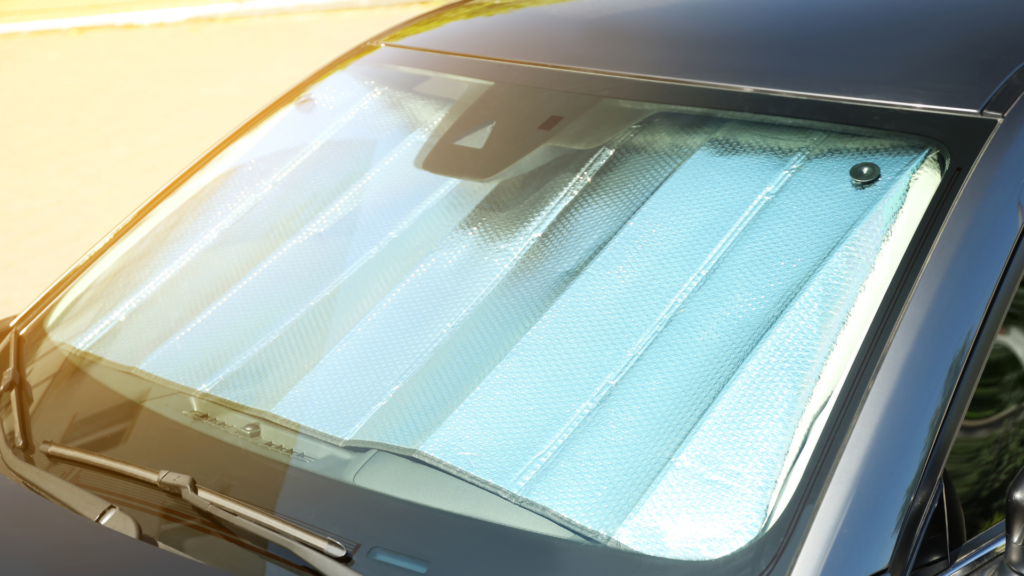
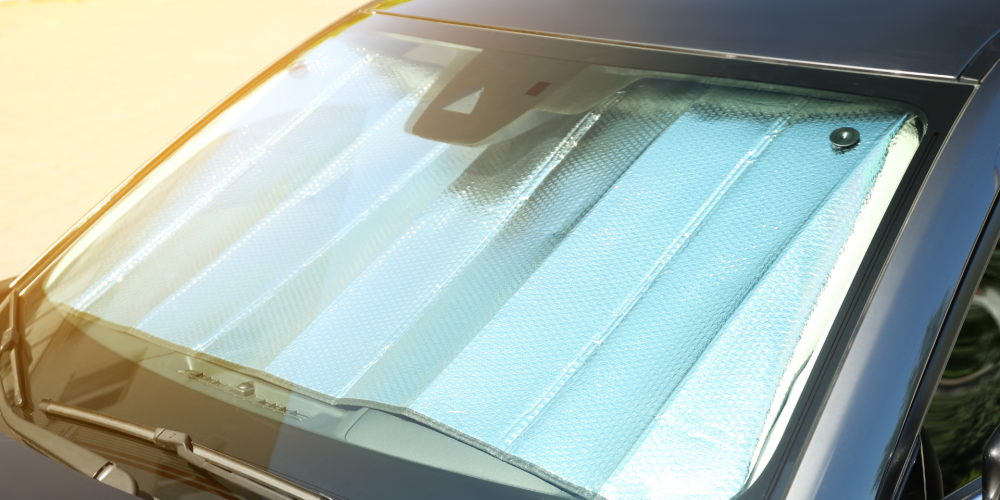
One of the most overlooked threats to automotive paint is ultraviolet radiation. Colorado’s higher elevation means there is less atmosphere to filter the sun’s UV rays, allowing stronger sunlight to reach your vehicle throughout the year.
Prolonged UV exposure gradually breaks down the clear coat that protects automotive paint. Over time, this can lead to oxidation, fading, dullness, and reduced gloss. Dark-colored vehicles often show these effects more quickly, but all paint colors are susceptible.
Vehicles parked outdoors for extended periods receive constant exposure, even during cooler months when many drivers assume the sun is less damaging.
Protective treatments such as ceramic coatings and regular maintenance can significantly reduce the long-term effects of UV exposure while helping preserve your vehicle’s original finish.
Snow, Sand, and Road Debris Damage
How do Colorado roads contribute to paint damage?
Colorado’s roads expose vehicles to a wide variety of abrasive materials throughout the year. During winter, snow and ice often require the use of sand and gravel to improve road traction. Even after winter ends, these materials remain on roadways where they can be thrown against vehicles by passing traffic.
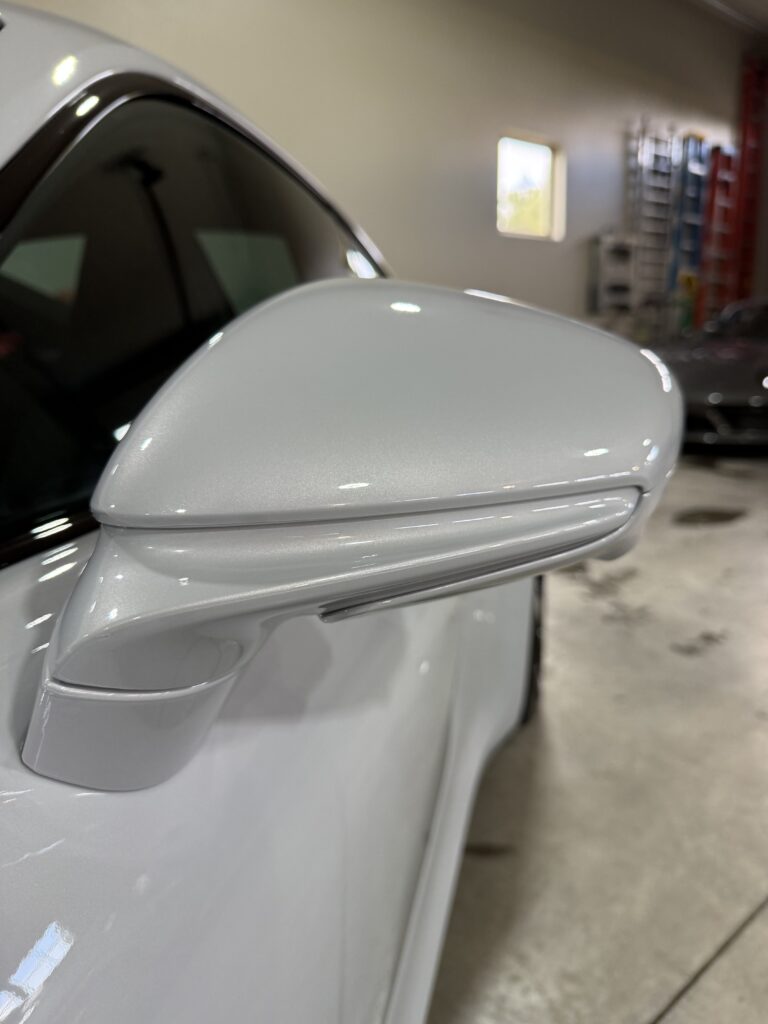
Small rocks, gravel, and road debris frequently strike front bumpers, hoods, mirrors, and lower body panels. While individual impacts may appear minor, repeated exposure eventually leads to paint chips and surface damage.
Mountain driving can further increase the likelihood of debris impacts because winding roads, construction zones, and changing terrain create additional opportunities for loose material to contact the vehicle.
Vehicle paint protection Colorado services such as paint protection film help shield vulnerable areas from these everyday hazards before permanent damage occurs.
Winter Chemicals and Contamination
How do winter road treatments affect your vehicle’s finish?
In addition to sand and gravel, winter driving exposes vehicles to deicing chemicals, road salt alternatives, dirt, slush, and moisture that accumulate throughout the season.
These contaminants cling to the vehicle’s surface, particularly around wheel wells, lower body panels, and undercarriage components. If not removed regularly, buildup can affect the appearance of the paint while contributing to long-term deterioration of exterior surfaces.
Tree sap, bird droppings, bug residue, and industrial fallout add to the list of contaminants vehicles encounter throughout the year. Many of these substances become more difficult to remove the longer they remain on the paint.
Routine washing and protective coatings help reduce contamination while making ongoing maintenance much easier.
Maintaining a clean exterior is one of the simplest ways to preserve your vehicle’s finish regardless of the season.
Why Paint Fades Faster Outdoors
Why do vehicles stored outdoors lose their shine more quickly?
Vehicles that spend most of their time outdoors experience continuous exposure to sunlight, moisture, airborne contaminants, and fluctuating temperatures. These conditions accelerate the aging process of automotive paint compared to vehicles stored in garages or covered parking.
Over time, oxidation reduces gloss, while microscopic surface imperfections make the paint appear dull and lifeless. Even careful owners may notice swirl marks, fine scratches, and fading despite regular washing.
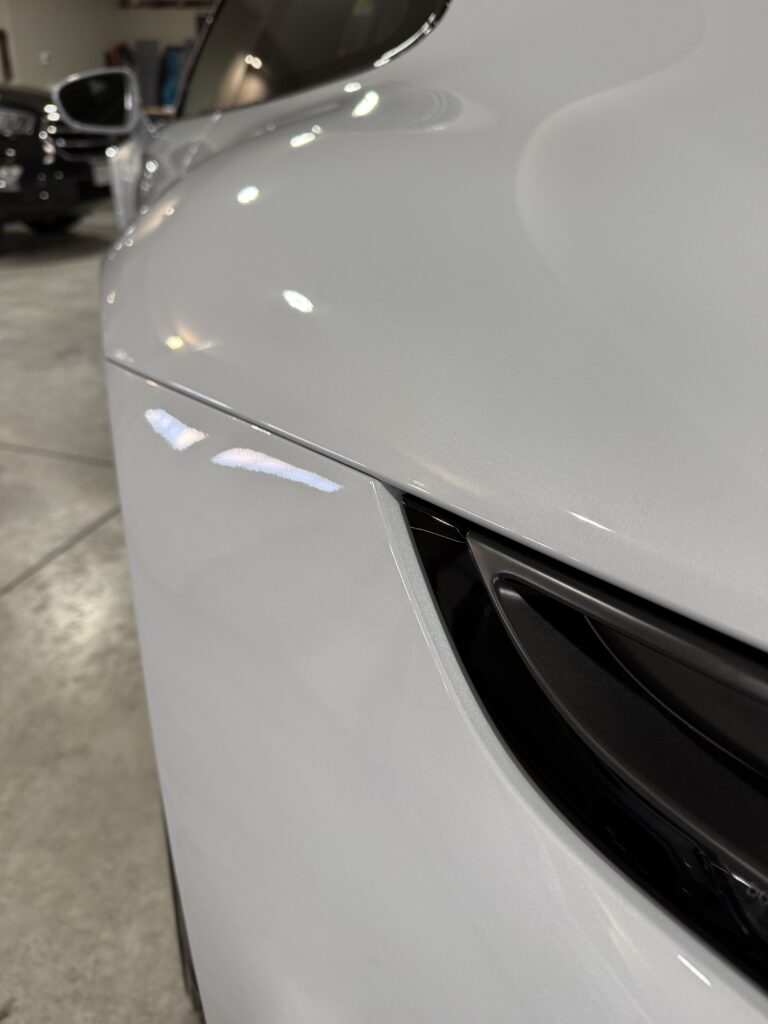
Professional paint correction Colorado Springs services can restore much of the paint’s original clarity by removing surface imperfections and refining the finish. Combined with protective treatments, paint correction helps restore both appearance and long-term durability.
Maintaining paint before severe damage develops is typically more effective than waiting until extensive correction becomes necessary.
Protecting Vehicles Year Round in Colorado Springs
What is the best way to protect your vehicle throughout the year?
Effective paint protection requires a year-round approach rather than seasonal maintenance alone. Regular washing removes harmful contaminants before they can damage the finish, while professional detailing helps preserve the vehicle’s appearance.
Many owners choose ceramic coatings for long-lasting environmental protection and easier maintenance. Others add paint protection film to high-impact areas that experience frequent road debris.
Routine inspections also help identify small chips, scratches, or paint defects before they become larger concerns. Addressing minor damage early helps maintain the integrity of the paint system and reduces future repair costs.
Combining proper maintenance with vehicle paint protection Colorado solutions provides one of the most effective ways to preserve your investment regardless of weather conditions.
Protect Your Vehicle From Colorado’s Challenging Climate
Colorado’s beautiful landscapes come with environmental conditions that can gradually wear down your vehicle’s finish if left unprotected. Intense UV exposure, mountain roads, winter contaminants, and everyday debris all contribute to fading, chips, scratches, and long-term paint deterioration.
Fortunately, professional protection and regular maintenance can dramatically reduce these effects while keeping your vehicle looking newer for years to come. Whether you’re interested in paint correction, ceramic coatings, or advanced protective films, investing in professional care helps preserve both appearance and long-term value.
At Colorado Auto Restyling, we specialize in vehicle paint protection Colorado drivers trust to defend against the unique challenges of the local climate. From professional paint correction Colorado Springs services to advanced protective solutions, our experienced team is ready to help keep your vehicle looking its absolute best. Contact us today to learn more about the right protection package for your vehicle and schedule your consultation.