The Real Benefits of Ceramic Coating Beyond Just Shine
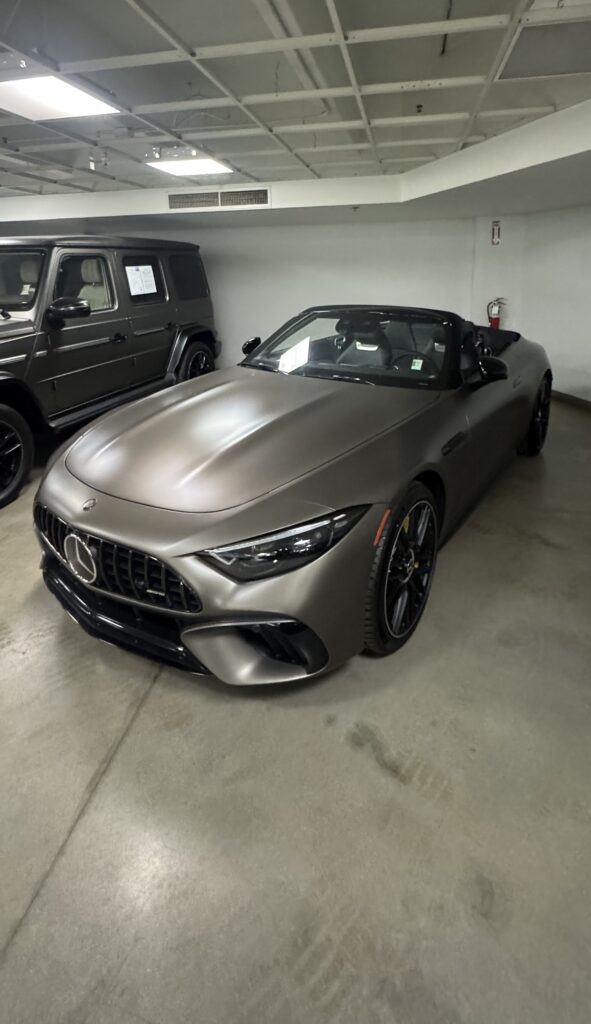
When most people hear the term ceramic coating, they immediately think about a glossy, showroom-quality finish. While the incredible shine is certainly one of the most noticeable benefits, ceramic coating offers much more than visual appeal. It serves as a protective layer that helps preserve your vehicle’s appearance while reducing maintenance and defending against environmental damage. For Colorado drivers, where vehicles are exposed to intense sunlight, changing weather conditions, road grime, and seasonal contaminants, protecting automotive paint is especially important. This is why ceramic coating Colorado Springs services have become increasingly popular among vehicle owners who want long-term protection and easier upkeep. Understanding what ceramic coating actually does can help drivers make informed decisions about protecting one of their most valuable investments. What Ceramic Coating Actually Does What is ceramic coating and how does it protect a vehicle? Ceramic coating is a liquid polymer that chemically bonds with a vehicle’s exterior surface. Once cured, it forms a durable protective layer over the paint that helps shield it from various environmental contaminants. Unlike traditional waxes or sealants that sit on the surface temporarily, ceramic coatings create a longer-lasting bond that offers more consistent protection. The coating acts as a barrier against dirt, water spots, bird droppings, tree sap, road grime, and other contaminants that can damage or dull a vehicle’s finish over time. One of the primary ceramic coating benefits is its ability to help preserve the paint’s condition while maintaining a cleaner and more polished appearance between washes. While ceramic coating is not a substitute for paint protection film when it comes to impact protection, it excels at defending against many of the environmental factors that affect a vehicle’s appearance every day. Hydrophobic Protection Explained What does hydrophobic protection mean and why does it matter? One of the most impressive features of ceramic coating is its hydrophobic nature. Hydrophobic simply means water-repelling. When water lands on a coated surface, it forms tight beads and rolls away more easily instead of spreading across the paint. As water moves off the vehicle, it often carries dirt, dust, and other contaminants with it. This self-cleaning effect helps reduce the amount of debris that remains attached to the paint surface. Rainstorms that might normally leave behind dirt streaks often have less impact on a coated vehicle. For drivers seeking ceramic coating Colorado Springs solutions, hydrophobic protection can be particularly valuable because vehicles regularly encounter dust, road debris, and unpredictable weather conditions throughout the year. The result is a cleaner vehicle that maintains its appearance more effectively between washes. Easier Washing and Maintenance How does ceramic coating simplify vehicle maintenance? Many vehicle owners choose ceramic coating because it significantly reduces the effort required to keep a vehicle looking its best. Without protection, contaminants often cling tightly to automotive paint. Dirt, bug residue, road grime, and water spots can require substantial effort to remove. Ceramic coatings create a smoother surface that makes it more difficult for contaminants to bond with the paint. As a result, routine washing becomes easier and faster. Dirt often rinses away more easily, and less scrubbing is typically required during cleaning. This is one of the ceramic coating benefits that drivers appreciate most over the long term. The coating helps maintain a cleaner appearance while reducing the time and effort spent on regular maintenance. For busy vehicle owners, this convenience can be just as valuable as the visual improvements ceramic coating provides. UV Protection in Colorado’s Climate Why is UV protection especially important for Colorado vehicles? Colorado’s high elevation contributes to stronger ultraviolet exposure than many other parts of the country. Over time, prolonged UV exposure can contribute to paint oxidation, fading, and loss of clarity. Vehicles parked outdoors are particularly vulnerable to these effects. Dark-colored vehicles often show signs of sun damage more quickly, but all paint colors can be affected by long-term exposure. Ceramic coating adds a layer of protection that helps reduce the impact of UV rays on the paint surface. While no product can completely eliminate environmental wear, ceramic coatings can help slow the aging process and preserve the vehicle’s finish. This makes ceramic coating Colorado Springs services especially appealing for drivers who want to maintain the appearance of their vehicles despite the region’s intense sunlight and changing weather conditions. Protecting against UV damage helps preserve both appearance and long-term value. Why Ceramic Coating Enhances Gloss and Depth How does ceramic coating improve a vehicle’s appearance? While protection is the primary purpose of ceramic coating, the visual enhancement is often what owners notice first. Ceramic coatings create a smoother, more reflective surface that allows paint to appear deeper, richer, and more vibrant. Colors often look more saturated, reflections appear sharper, and the overall finish takes on a glossy, polished appearance. This enhanced depth and clarity help vehicles maintain a freshly detailed look for extended periods. The coating essentially amplifies the beauty of properly prepared paint. Combined with regular maintenance, the result is a finish that continues to look impressive long after application. Many vehicle owners initially seek ceramic coating benefits for protection but quickly discover that the enhanced appearance becomes one of the most rewarding aspects of the investment. Protect Your Vehicle and Keep It Looking Its Best Ceramic coating offers far more than a beautiful shine. From hydrophobic protection and easier maintenance to UV defense and long-term paint preservation, it provides practical benefits that help keep vehicles looking newer for longer. For Colorado drivers facing intense sun exposure, changing weather, and everyday road contaminants, ceramic coating serves as a valuable layer of protection that supports both appearance and long-term value. It is an investment in preserving your vehicle while reducing the effort required to maintain it. At Colorado Auto Restyling, we specialize in professional ceramic coating Colorado Springs services designed to deliver lasting protection and exceptional results. If you’re ready to experience the full range of ceramic coating benefits and give your vehicle the protection it deserves, contact our team today to schedule a consultation and
Why Paint Protection Film Is Worth It for Colorado Drivers
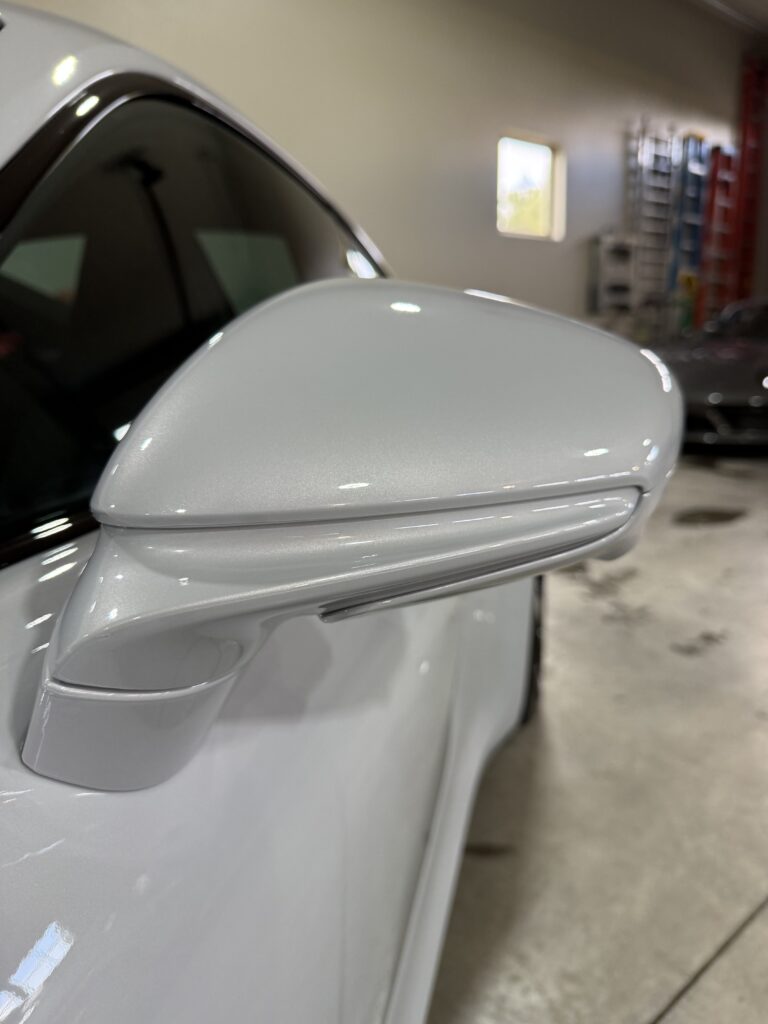
Colorado offers some of the most beautiful driving experiences in the country. From scenic mountain highways and winding canyon roads to everyday commuting through Colorado Springs, drivers enjoy access to stunning landscapes and year-round adventure. Unfortunately, those same roads can also be tough on a vehicle’s exterior. Road debris, gravel, sand, harsh weather conditions, and mountain driving hazards can gradually damage automotive paint, leaving chips, scratches, and wear that become increasingly noticeable over time. For many vehicle owners, protecting that investment is a priority. This is where paint protection film Colorado Springs drivers trust has become one of the most popular vehicle protection solutions available today. Paint protection film, often called PPF, provides a nearly invisible layer of defense that helps preserve a vehicle’s appearance while reducing long-term paint damage. How Road Debris Damages Paint Over Time What kinds of road debris cause paint damage in Colorado? Every time you drive, your vehicle is exposed to countless small hazards. Gravel, loose stones, sand, road salt, dirt, and other debris can be thrown into the air by surrounding traffic, striking your vehicle at high speeds. While a single impact may seem minor, repeated exposure gradually wears down the vehicle’s finish. Small chips can expose underlying layers of paint, making the surface more vulnerable to additional damage and environmental contaminants. Colorado roads often present even greater challenges due to changing weather conditions and seasonal maintenance practices. Sand and gravel used during winter months can continue affecting vehicles long after snow season has ended. Without protection, these everyday impacts can significantly affect the appearance of a vehicle over time. Protection Against Rock Chips and Scratches How does paint protection film help prevent common paint damage? One of the primary benefits of paint protection film Colorado Springs vehicle owners appreciate is its ability to absorb impacts before they reach the paint surface. PPF is a durable, transparent film designed to act as a sacrificial barrier between the road and your vehicle’s finish. When small rocks, gravel, or debris strike the film, the impact is often absorbed by the protective layer rather than damaging the paint itself. The film also helps defend against minor scratches caused by everyday use. Whether it’s debris from the road, contact during parking, or routine driving conditions, PPF helps minimize many of the cosmetic issues that can diminish a vehicle’s appearance. Many modern films also feature self-healing properties that allow minor surface marks to disappear when exposed to heat, helping the film maintain a clean and polished appearance. Why Mountain Driving Increases Paint Damage Risk Why are Colorado mountain roads especially tough on vehicle paint? Colorado’s mountain roads are breathtaking, but they also create unique challenges for vehicle protection. Elevation changes, winding roads, construction zones, gravel shoulders, and increased debris can all contribute to higher levels of paint damage. Vehicles traveling through mountain passes often encounter loose rocks and debris kicked up by larger vehicles. Winter weather can introduce additional hazards, while seasonal runoff may leave sand and gravel on road surfaces long after storms have passed. For drivers who frequently travel through mountain regions, the risk of rock chips and paint damage is often significantly higher than for those who primarily drive in urban environments. This is one reason ppf installation Colorado services have become increasingly popular among outdoor enthusiasts, commuters, and drivers who regularly explore the state’s scenic roadways. Long-Term Resale Value Benefits How can paint protection film help preserve vehicle value? A vehicle’s appearance plays a major role in its resale and trade-in value. Potential buyers often pay close attention to paint condition because it reflects how well the vehicle has been maintained. Paint chips, scratches, and surface damage can make even a mechanically sound vehicle appear older and less desirable. Repairing damaged paint can also be expensive, particularly when multiple panels require correction. Paint protection film Colorado Springs installations help preserve the original factory finish, allowing the vehicle to maintain a cleaner appearance over time. By reducing visible wear, PPF may help support stronger resale value and make the vehicle more attractive to future buyers. For many owners, the long-term preservation benefits justify the investment well beyond the immediate protection it provides. Areas of the Vehicle Most Commonly Protected Which parts of a vehicle benefit most from paint protection film? While full-vehicle PPF coverage is available, many drivers choose to focus on the areas most vulnerable to damage. The front bumper is one of the most commonly protected sections because it receives the majority of impacts from road debris. The hood, front fenders, side mirrors, headlights, and rocker panels are also frequent targets for protection. These high-impact areas tend to experience the greatest exposure to gravel, rocks, and road contaminants. By protecting the sections most likely to be damaged, drivers can achieve excellent protection while tailoring coverage to their needs and budget. Professional ppf installation Colorado specialists can recommend coverage options based on driving habits, vehicle type, and long-term ownership goals. Protect Your Investment Before Damage Happens Paint damage often occurs gradually, making it easy to underestimate how much wear a vehicle experiences over time. By the time chips and scratches become noticeable, repairs can be costly and difficult to reverse completely. Paint protection film offers a proactive solution that helps preserve your vehicle’s appearance, reduce long-term damage, and maintain value for years to come. Whether you regularly commute, travel mountain highways, or simply want to keep your vehicle looking its best, PPF provides an effective layer of defense against Colorado’s challenging road conditions. At Colorado Auto Restyling, we specialize in professional paint protection film Colorado Springs installations designed to protect your investment and keep your vehicle looking exceptional. Contact our team today to learn more about ppf installation Colorado services and discover the best protection package for your vehicle.
Dyed vs Ceramic Window Tint: Which Tint Performs Better in Colorado?
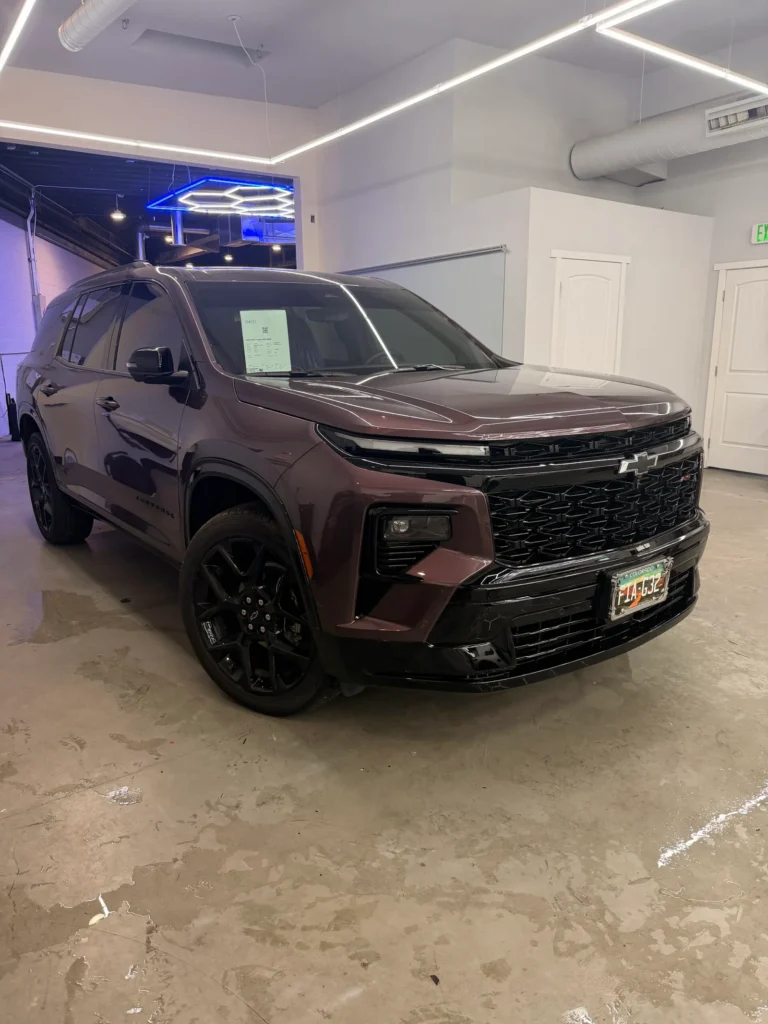
Window tint is one of the most popular upgrades for vehicle owners looking to improve comfort, appearance, and interior protection. However, not all tint films perform the same way. One of the biggest decisions drivers face is choosing between traditional dyed window tint and premium ceramic tint. Understanding the differences between dyed vs ceramic tint is especially important in Colorado, where high elevation, intense sunlight, and rapidly changing weather conditions can significantly affect both driving comfort and vehicle interiors over time. While both options improve privacy and reduce glare, they differ greatly in heat rejection, clarity, durability, and long term performance. The best choice depends on your budget, driving habits, and what you expect from your tint installation. At Colorado Auto Restyling, we help Colorado drivers choose the right tint solution based on performance needs, appearance goals, and long term vehicle protection. How Dyed Window Tint Works What is dyed window tint and how does it function? Dyed window tint is one of the most common and affordable types of automotive tint available. It works by using a dyed film layer that absorbs a portion of solar heat and sunlight before it enters the vehicle. This type of tint primarily improves appearance, glare reduction, and privacy while offering moderate heat control. Many drivers choose dyed tint because it creates a darker, sleek look without requiring a large investment. However, dyed vs ceramic tint comparisons often highlight the limitations of dyed film when it comes to heat rejection and long term durability. Because dyed films absorb heat rather than reflect it efficiently, vehicles may still become quite warm during hot Colorado summers. Over time, lower quality dyed films may also fade or discolor with prolonged UV exposure, especially in high altitude climates like Colorado Springs. The Heat Rejection Benefits of Ceramic Tint Why does ceramic window tint perform better in hot and sunny conditions? Ceramic tint uses advanced non metallic ceramic particles that block solar heat, infrared radiation, and UV rays far more effectively than traditional dyed films. Unlike dyed tint, ceramic films reject heat rather than simply absorbing it. Ceramic window tint Colorado Springs drivers choose often provides noticeably cooler interior temperatures, especially during summer months or long periods of sun exposure. This improves overall driving comfort while reducing strain on vehicle air conditioning systems. Another major advantage is that ceramic tint achieves high heat rejection without requiring extremely dark film shades. Drivers can maintain visibility and a cleaner appearance while still receiving excellent thermal performance. Dyed vs ceramic tint discussions frequently come down to comfort. Drivers who spend significant time on the road or park outdoors regularly often notice a substantial difference with ceramic film technology. Differences in Clarity, Fading, and Longevity How do dyed and ceramic tints compare over time? One of the biggest differences between these films is long term durability and visual clarity. Ceramic tint is generally more stable and resistant to fading compared to traditional dyed films. Lower quality dyed tint may gradually develop a purple or faded appearance after years of UV exposure. This is especially relevant in Colorado, where strong sunlight and high elevation increase UV intensity. Ceramic window tint Colorado Springs installations typically maintain their color, clarity, and performance much longer because ceramic particles are inherently more resistant to heat and UV degradation. Ceramic films also provide better optical clarity. Visibility through the windows often appears sharper and less hazy compared to some lower grade dyed films. This becomes especially noticeable during nighttime driving or changing weather conditions. For drivers prioritizing long term value and performance, ceramic tint often becomes the more durable investment despite higher upfront costs. Why Colorado Sun Exposure Matters Why is window tint especially important in Colorado? Colorado’s climate creates unique challenges for vehicle interiors and driving comfort. High altitude conditions expose vehicles to more intense UV radiation than many lower elevation regions. Combined with strong sunlight, dry conditions, and seasonal weather swings, interiors can experience significant heat buildup and UV damage over time. Window tint installation Colorado drivers choose helps reduce fading, cracking, and premature wear on dashboards, seats, and interior materials while also improving comfort during daily driving. Ceramic tint becomes particularly valuable in Colorado Springs because of its superior ability to block infrared heat and harmful UV rays. Drivers who frequently commute, travel long distances, or park outdoors often experience the biggest benefits from premium ceramic films. Even during colder months, Colorado sunlight can create intense glare and heat buildup inside vehicles at higher elevations. Choosing the Right Tint Based on Budget and Performance How should drivers decide between dyed and ceramic window tint? The best tint option depends largely on priorities and budget. Dyed tint remains a solid choice for drivers looking for improved appearance, privacy, and basic glare reduction at a lower cost. It works well for those seeking a simple cosmetic upgrade without premium pricing. However, drivers prioritizing heat rejection, long term durability, interior protection, and driving comfort often benefit more from ceramic film technology. While ceramic tint carries a higher initial investment, many drivers find the improved performance worth the added cost over time. Dyed vs ceramic tint decisions are rarely one size fits all. Vehicle type, driving frequency, parking conditions, and personal comfort preferences all play important roles in choosing the right film. At Colorado Auto Restyling, we help drivers understand these differences clearly so they can make informed decisions that match both their budget and long term goals. Upgrade Your Vehicle With the Right Window Tint Choosing the right window tint is about more than appearance alone. Heat rejection, comfort, clarity, UV protection, and durability all influence how well your tint performs over time, especially in Colorado’s demanding climate. Whether you choose dyed film for affordability or ceramic tint for maximum performance, professional installation ensures better appearance, longevity, and overall results. At Colorado Auto Restyling, we specialize in ceramic window tint Colorado Springs drivers trust for comfort, protection, and long term performance. If you are considering window tint
PPF vs Vinyl Wrap: What’s the Difference and Which One Is Right for Your Vehicle?
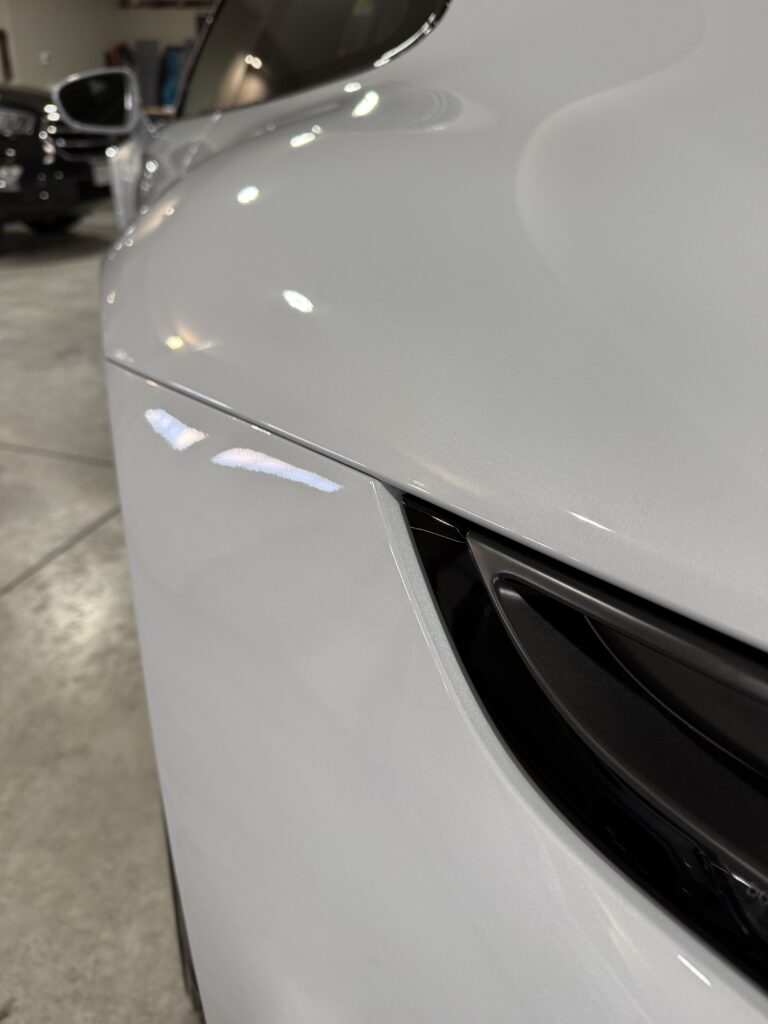
Vehicle owners today have more options than ever when it comes to protecting and customizing their cars. Two of the most popular choices are paint protection film and vinyl wraps. While these products may appear similar at first glance because both are applied directly to the vehicle’s exterior, they serve very different purposes. Understanding the difference between PPF vs vinyl wrap is important for drivers who want to protect their investment, improve appearance, or achieve both goals at the same time. The right choice depends on how you use your vehicle, your priorities, and the conditions your car faces every day. For drivers in Colorado Springs, road debris, intense sunlight, snow, gravel, and changing weather conditions make paint protection especially valuable. At Colorado Auto Restyling, we help vehicle owners choose the right combination of protection and customization based on their driving habits, vehicle goals, and long term ownership plans. What Paint Protection Film Is Designed to Do What is paint protection film designed to protect against? Paint protection film, commonly called PPF, is specifically engineered to protect a vehicle’s factory paint from physical damage and environmental wear. It is a transparent urethane film applied directly over painted surfaces to create a durable protective barrier. Unlike cosmetic modifications, the primary purpose of paint protection film Colorado Springs drivers install is preservation. PPF helps defend against rock chips, road debris, bug splatter, scratches, salt, and UV exposure that can slowly damage a vehicle’s finish over time. Modern PPF products also feature self healing properties that allow light scratches and swirl marks to disappear when exposed to heat. This helps maintain a cleaner, glossier appearance even with regular driving. For many daily drivers in Colorado Springs, paint protection film becomes especially valuable because of gravel roads, highway debris, winter conditions, and sudden weather changes common throughout the region. How Vinyl Wraps Focus on Color and Appearance Changes What is the primary purpose of a vinyl vehicle wrap? While PPF focuses primarily on protection, vinyl wraps are designed mainly for visual transformation and customization. A vinyl wrap changes the appearance of a vehicle by covering painted surfaces with colored, textured, or printed vinyl material. Drivers often choose vinyl wraps to achieve matte finishes, satin colors, gloss effects, carbon fiber textures, custom graphics, or entirely new vehicle colors without permanently repainting the car. Vinyl wrap vs PPF comparisons often come down to intention. Drivers seeking aesthetic changes typically gravitate toward vinyl wraps, while those focused on preserving paint condition prioritize paint protection film. Vinyl wraps do offer some minor surface protection from light scratches and UV exposure, but they are not engineered to provide the same level of impact resistance as dedicated PPF products. Differences in Durability and Protection How do PPF and vinyl wraps compare in durability? One of the biggest differences between ppf vs vinyl wrap is overall durability and impact resistance. Paint protection film is significantly thicker than vinyl wrap material and is specifically designed to absorb impacts from debris and road hazards. PPF typically provides superior long term protection against rock chips, scratches, and environmental damage. Many premium films also resist yellowing and maintain clarity for years with proper care. Vinyl wraps, while durable for visual applications, are thinner and more vulnerable to scratches, tears, and physical wear. Their primary strength is appearance customization rather than heavy duty protection. For Colorado Springs drivers dealing with highways, mountain roads, gravel, and unpredictable weather, paint protection film Colorado Springs installations often provide better long term defense for frequently driven vehicles. The ideal choice depends on whether protection, appearance, or a combination of both is the highest priority. Which Option Is Better for Daily Drivers in Colorado Springs What works best for vehicles driven regularly in Colorado conditions? Colorado presents unique challenges for vehicle exteriors. Strong UV exposure, winter road treatments, gravel, dirt, and rapidly changing weather conditions all contribute to paint wear over time. For daily driven vehicles, paint protection film is often the better investment when long term preservation is the primary goal. High impact areas such as front bumpers, hoods, mirrors, and fenders benefit significantly from added protection against road debris and rock chips. However, drivers who prioritize aesthetics and personalization may still prefer vinyl wraps, especially for leased vehicles or those seeking temporary appearance changes without permanent paint modification. Vinyl wrap vs PPF decisions often come down to how the vehicle is used. Performance cars, luxury vehicles, trucks, and commuter vehicles all have slightly different needs depending on driving conditions and ownership goals. When Drivers Combine Both for Protection and Style Can paint protection film and vinyl wraps be used together? Many vehicle owners today combine both products to maximize appearance and protection simultaneously. A vehicle may receive a vinyl wrap for color customization while adding paint protection film over high impact areas for additional durability. Some drivers also install PPF over portions of a vinyl wrap itself to help preserve the finish and extend longevity in vulnerable areas. This combination approach allows drivers to achieve a completely personalized appearance while still protecting the vehicle from damage caused by everyday driving conditions. At Colorado Auto Restyling, we help drivers determine the right balance between customization, durability, and protection based on their specific vehicle and driving habits. Protect and Personalize Your Vehicle With Confidence Choosing between ppf vs vinyl wrap ultimately depends on your priorities. Paint protection film focuses on preserving your vehicle’s finish and defending against road damage, while vinyl wraps provide creative flexibility and dramatic visual transformation. For many Colorado Springs drivers, combining both solutions offers the ideal balance between style and protection. Understanding how each product functions helps ensure you invest in the option that best fits your vehicle, lifestyle, and long term goals. At Colorado Auto Restyling, we specialize in paint protection film Colorado Springs installations, vinyl wraps, and complete vehicle restyling solutions. If you are ready to protect your investment or completely transform your vehicle’s appearance, contact our team today and let us help you